 P.24
P.24
NewSIG
Mars mission concept with positron engines and storage lifetime claims
Missions must be established that can transport astronauts to Mars in less than 180 days.
Every finding from every release, newest first. Each one has at least one verbatim quote that was checked against the page.
P.24
Missions must be established that can transport astronauts to Mars in less than 180 days.
 P.13
P.13
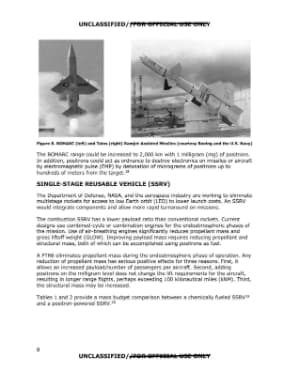
The BOMARC range could be increased to 2,000 km with 1 milligram (mg) of positrons.
 P.15
P.15
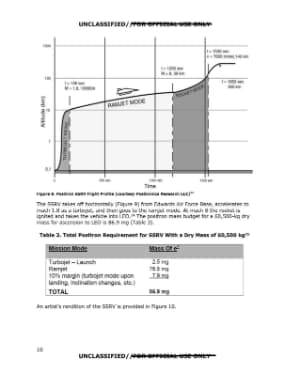
The positron mass budget for a 60,500-kg dry mass for ascension to LEO is 86.9 mg (Table 3).
 P.10
P.10
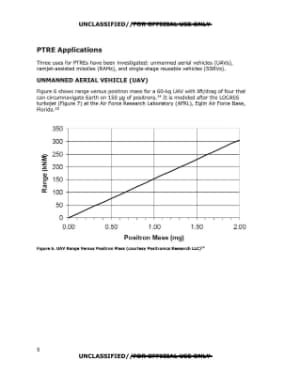
Figure 6 shows range versus positron mass for a 60-kg UAV with lift/drag of four that can circumnavigate Earth on 150 µg of positrons.
 P.5
P.5
there are no good aluminum-rich glass-forming alloys,
 P.28
P.28
could replace high-strength steels in certain load-limited structural components in aerospace vehicles where space is limited.
 P.15
P.15
The poor fatigue resistance of metallic glasses is a critical limitation for structural applications in aerospace
 P.20
P.20
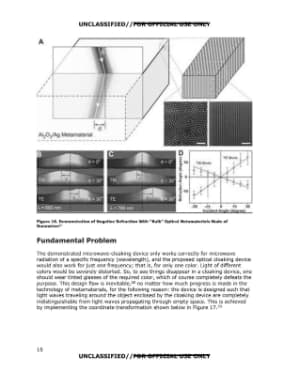
The demonstrated microwave-cloaking device only works correctly for microwave radiation of a specific frequency (wavelength),
 P.28
P.28
Perfect cloaking devices are impossible because they require materials where t he speed of light approaches infinity.
 P.10
P.10
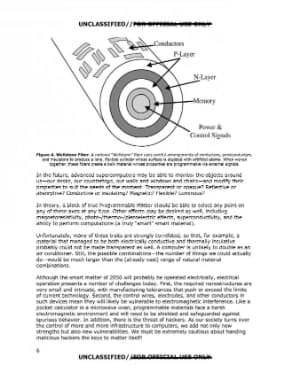
We must be extremely cautious about handing malicious hackers the keys to matter itself!
 P.11
P.11
The ASHRAE study found that across all eight climate zones, buildings with low-emissivity ("low-E") glass saved an average of 8-15 percent on their total annual energy (heating, cooling, and ventilation) costs, whereas the addition of dynamic window systems saved an additional 6-19 percent.
 P.20
P.20
Many elements of the preceding scenario are based on current and emerging technologies; others are speculative.
 P.19
P.19
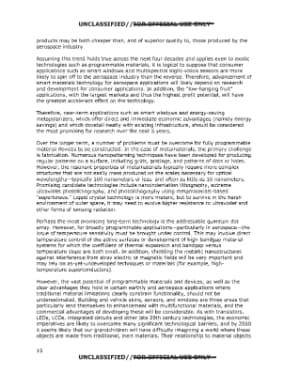
near-term applications such as smart windows and energy-saving metapolarizers, which offer direct and immediate economic advantages (namely energy savings) and which dovetail neatly with existing infrastructure, should be considered the most promising for research over the next 5 years.
 P.7
P.7
6X SMALL SPHERICAL OBJECTS GROUPED TOGETHER
P.7
 P.6
P.6
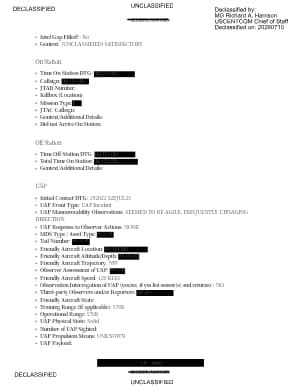
Friendly Aircraft Speed: 120 KIAS
 P.8
P.8
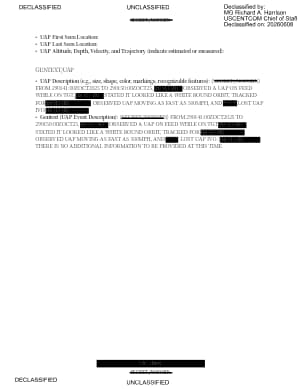
STATED IT LOOKED LIKE A WHITE ROUND ORBIT, TRACKED FOR
 P.6
P.6
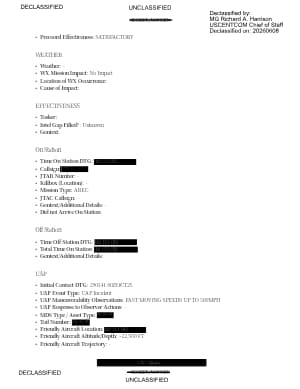
Friendly Aircraft Altitude/Depth: ~22,500 FT
 P.5
P.5
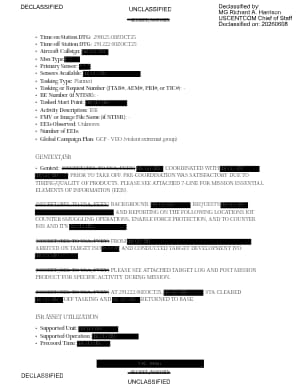
Time-on Station DTG: 290025:00ZOCT25
 P.4
P.4
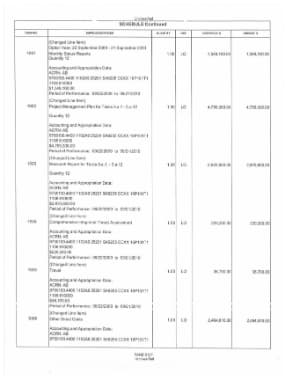
Comprehensive Integrated Threat Assessment
 P.3
P.3
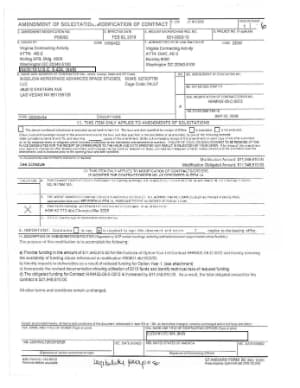
Identify impacts to deliverables as a result of reduced funding for Option Year 1. (see attachment)
 P.2
P.2
As a result, the total obligated amount for this
 P.6
P.6
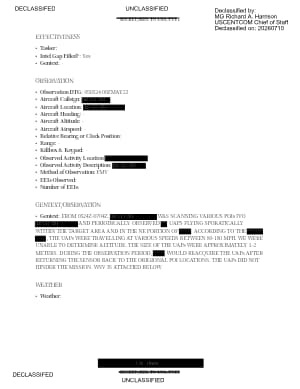
THE UAPs WERE TRAVELLING AT VARIOUS SPEEDS BETWEEN 80-180 MPH. WE WERE UNABLE TO DETERMINE ALTITUDE. THE SIZE OF THE UAPs WERE APPROXIMATELY 1-2 METERS.
 P.5
P.5
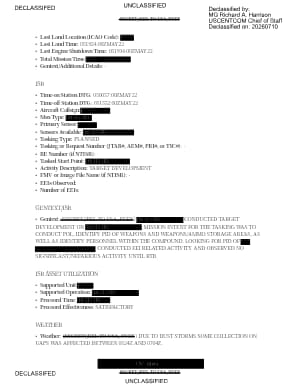
DUE TO DUST STORMS SOME COLLECTION ON UAPS WAS AFFECTED BETWEEN 0524Z AND 0704Z.